Afrobeats has risen to prominence not only as a vibrant musical genre but also as a compelling medium for social critique, with Nigerian artists harnessing their artistry to shed light on critical societal challenges. Through their lyrics and rhythms, these musicians are tackling urgent topics like corruption, social inequality, and poor governance, engaging listeners and prompting conversations about the need for change in their communities. This fusion of entertainment and activism positions Afrobeats as a notable cultural force, reflecting the aspirations and frustrations of a generation.
In times of national protest, these songs become more than just entertainment; they serve as anthems for a generation demanding justice and a better future.

Here, we spotlight 17 Afrobeats songs about bad governance that capture the spirit of resistance, transforming music into a tool for social and political activism.
1. Mr. President – African China
Firstly, Mr. President by African China is a direct appeal to Nigerian leaders, calling for respectful and effective governance. Released in 2004, the song highlights the need for integrity and dignity in leadership, urging the president to “lead us well.” As the issues addressed in the song remain relevant in 2024, Mr. President continues to resonate as a call for accountable leadership and meaningful societal reform. African China’s bold lyrics and the song’s enduring message make it a powerful commentary on the state of governance in Nigeria.
2. Zombie – Fela Kuti
Secondly, a seminal work in the Afrobeat genre, Fela Kuti’s Zombie is a scathing indictment of the Nigerian military regime. Released in 1977, the track immediately resonated with the masses, serving as both a powerful anthem and social commentary. Also, Fela Kuti used his music as a weapon to expose the brutality and senselessness of the government’s actions, likening soldiers to mindless zombies. This song, along with others like Beast of No Nation and Ikoyi Mentality, solidified Fela as a revolutionary figure, inspiring generations of musicians and activists.
3. This Is Nigeria – Falz
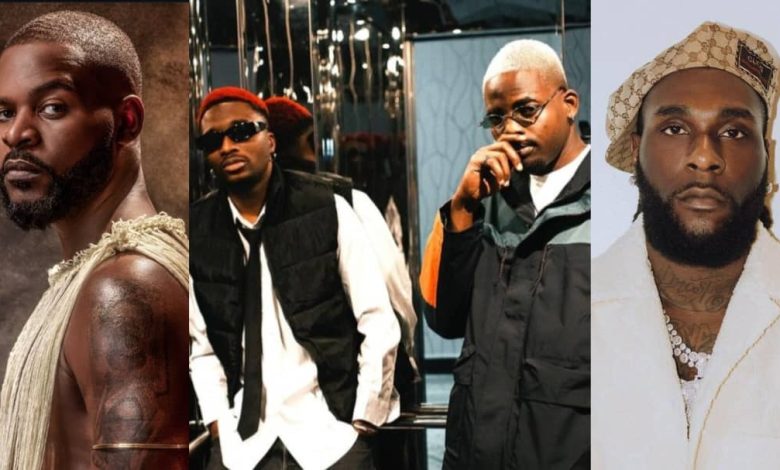
Furthermore, Falz’s This Is Nigeria is a searing critique of the nation’s numerous challenges, inspired by Childish Gambino’s This Is America. The song and its accompanying video lay bare the pervasive corruption, police brutality, and socio-political issues that plague Nigeria. Also, through a mix of satire and provocative imagery, Falz fearlessly exposes the nation’s darkest truths, sparking essential conversations about the urgent need for change and accountability. This song has become a cultural touchstone, underlining its significance in Afrobeats music that tackles bad governance.
4. Jaga Jaga – Eedris AbdulKareem
However, Eedris AbdulKareem’s Jaga Jaga is a landmark protest song in Nigerian music, released in 2004. The track is a raw and uncompromising indictment of a nation grappling with systemic failures. The term Jaga Jaga refers to chaos and disorder, perfectly capturing the public’s disillusionment with the government. Eedris’ fearless delivery transformed Jaga Jaga into an anthem for the marginalized, sparking a national discourse on corruption and inequality. The song’s enduring relevance underscores its impact as a rallying cry for accountability and good governance.
5. Monsters You Made – Burna Boy
Meanwhile, Monsters You Made is a deeply personal track by Burna Boy, exploring themes of marginalization and injustice. The song features spoken word excerpts from African icons Fela Kuti and Ama Ata Aidoo, setting the stage for a powerful exploration of systemic racism. With a haunting chorus by Chris Martin, the song accuses power structures of creating “monsters” through oppression. This track serves as a powerful anthem that reclaims agency and challenges the narratives imposed by oppressors.
6. Barawo – Ajebo Hustlers
Additionally, Ajebo Hustlers’ Barawo is a critical commentary on Nigeria’s issue of mob justice. The duo’s lyrics and melodies combine to create an anthem against extrajudicial killings and systemic corruption. The song’s title, meaning “thief,” is used ironically to highlight the baseless accusations often leading to mob violence. Although, the refrain “This country na wa” captures the nation’s collective frustration, humanizing victims and demanding accountability. The remix featuring Davido amplified the track’s reach and message. This makes Barawo a cultural touchstone that continues to spark conversations about justice and societal change.
7. 20 10 20 – Burna Boy
Also, 20 10 20 is Burna Boy’s tribute to the victims of the Lekki Toll Gate massacre, where peaceful End SARS protesters were attacked by Nigerian security forces on October 20, 2020. The song is a chilling reminder of this tragic event, capturing the nation’s grief and outrage. Burna Boy’s lyrics serve as a powerful indictment of government brutality, turning the track into a rallying cry for justice. So, 20 10 20 is more than a song; it’s a touching documentation of a dark chapter in Nigeria’s history, reinforcing Burna Boy’s role as a voice for the marginalized.
8. Talk – Falz
Consequently, Falz’s Talk is a sharp critique of the Nigerian political landscape, featured on his 2019 album Moral Instruction. Known for his pop sensibilities and socially conscious lyrics, Falz uses Talk to address issues of corruption and bad governance. Though, the song’s satirical tone, coupled with the phrase “no be me talk am o” (I didn’t say it), allows Falz to make bold statements while evading censorship. Talk is more than just a song; it’s a call to action, urging listeners to demand better from their leaders.
9. 2010 – Sound Sultan featuring MI Abaga
Notwithstanding, Sound Sultan’s 2010 was a prophetic reminder that despite the promises of a better future, little had changed in Nigeria by 2010. The song reflects the disillusionment of a nation still waiting for the basic amenities and good governance that were supposed to materialize, showcasing the unfulfilled promises of the past.
10. Shey Na Like This? – Wande Coal
Notably, Wande Coal’s Shey Na Like This? captures the daily struggles and economic hardship faced by Nigerians due to bad governance. The song serves as a reminder that change won’t come by waiting; it requires active demand from the people.