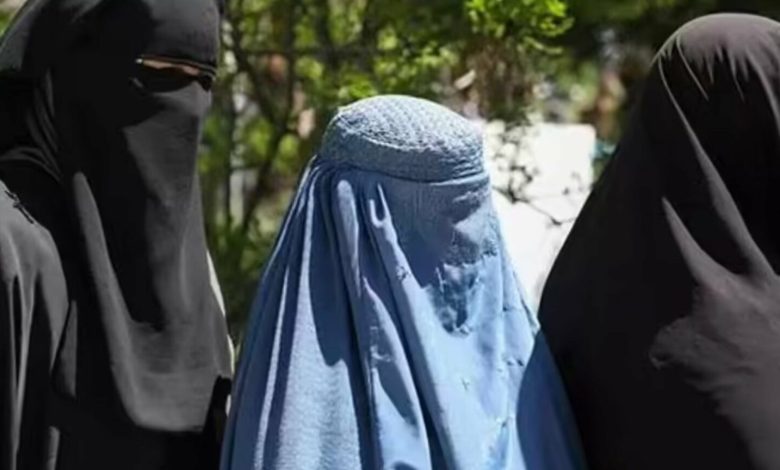
The recent amendment to Afghanistan’s (Taliban) criminal procedure guidelines has ignited widespread condemnation, as it effectively legalizes domestic violence by establishing dangerous loopholes that allow men to inflict harm on their wives without facing legal consequences.
Critics argue that this provision undermines women’s rights and safety, providing a disturbing precedent that trivializes the severity of domestic abuse. Advocacy groups are calling for immediate reforms to ensure that all forms of violence against women are criminalized and that victims are protected by adequate legal measures.



The regulation is contained in the Taliban’s updated Criminal Procedure Code for Courts, signed on January 7, 2026, by Hibatullah Akhundzada.
Under Article 32, a husband is only deemed an offender if the beating causes a broken bone, an open wound, or leaves the woman “black and blue,” and only if the wife formally reports the case to a judge.
What the law says
According to the text, if these conditions are met and a complaint is made, a judge may sentence the husband to just 15 days in prison.
In all other circumstances, the law effectively permits domestic violence with no legal consequences.
The code also authorises husbands to administer so-called discretionary punishments, known as tazir, further embedding male control over women within the legal system.
Rights groups raise alarm
The provision has been confirmed through official translations reviewed by Afghan Analysts Network and documents leaked by Rawadari.
It has also been reported by international media and legal monitoring bodies, including CNN, JURIST, and Human Rights Watch.
Rights organisations warn that the law formalises violence against women and removes any meaningful protection for victims of domestic abuse.
Deepening repression of women
Since returning to power in 2021, the Taliban have systematically restricted women’s rights, banning girls from secondary and higher education, limiting employment, and curtailing freedom of movement